U.S. Blockade on Iran Disputed Over Food, Oil Impact
Iran downplays blockade impact as the U.S. intensifies pressure on oil exports and maritime access.

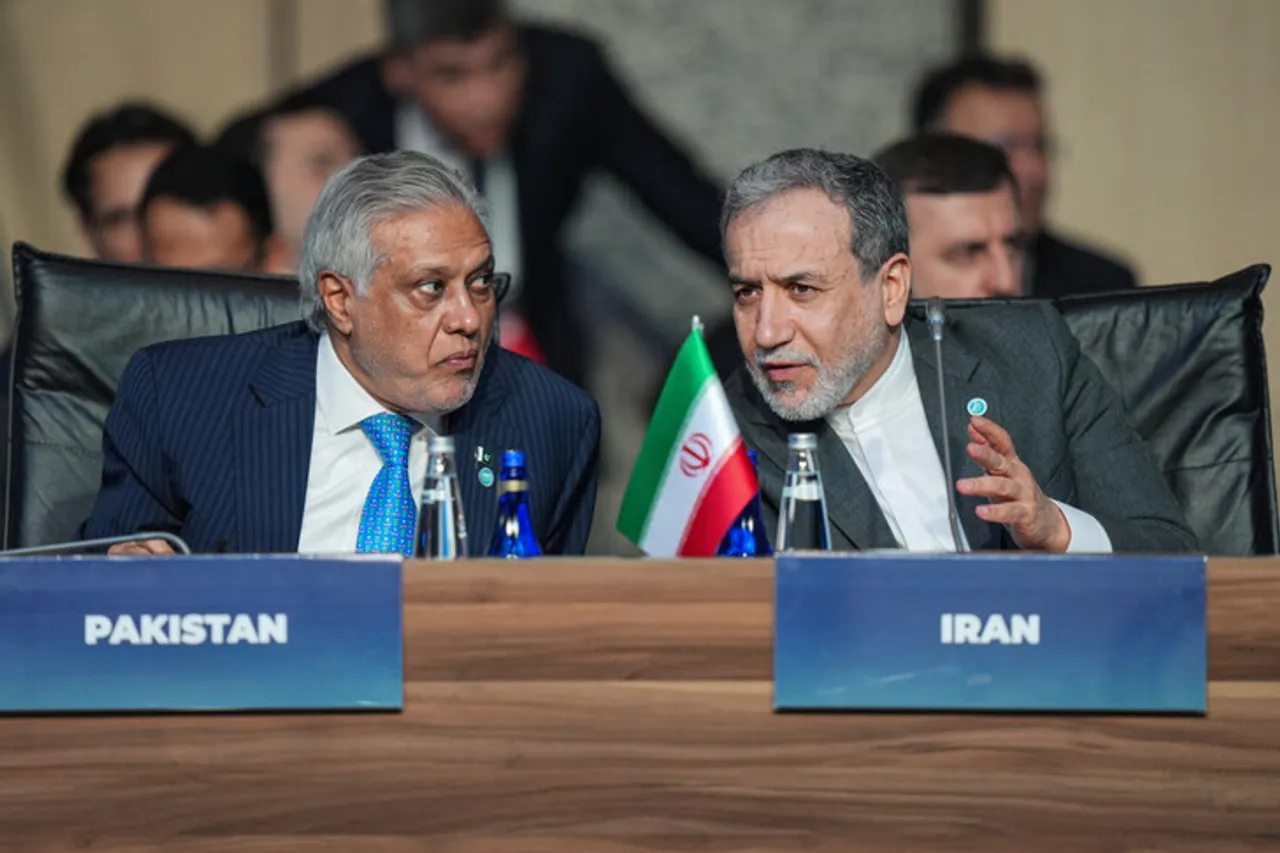
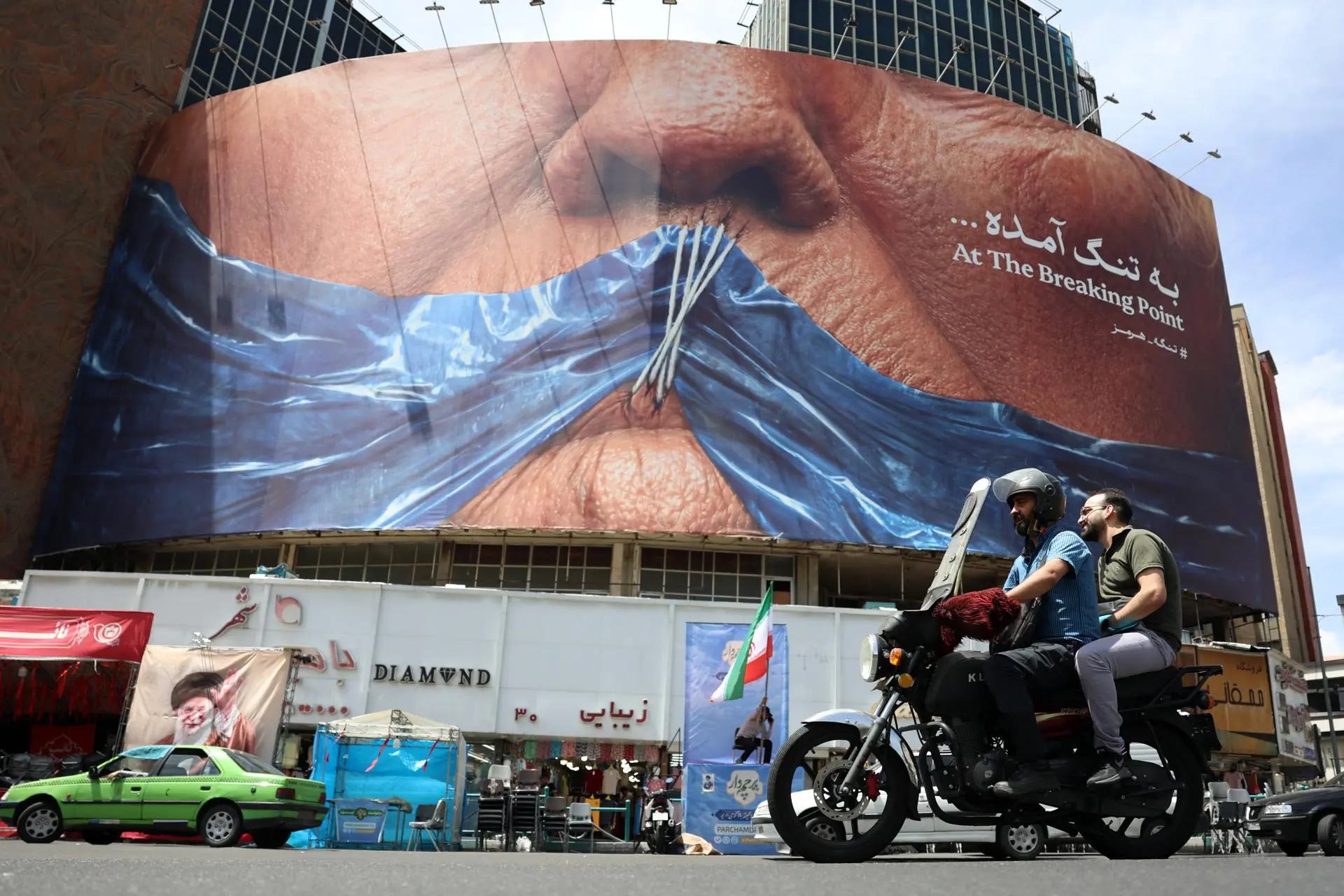
Maritime restrictions and political tensions continue to shape Iran’s trade and energy flows. Photo: @PakistanTVcom
April 22, 2026 Hour: 2:32 am
🔗 Comparte este artículo
Tehran cites domestic output resilience as Washington escalates pressure on maritime trade and energy exports.
Iranian authorities say a U.S.-imposed naval blockade has had limited impact on access to food and essential goods, while Washington continues to present the measure as a central tool to restrict Iran’s economy and export capacity.
RELATED: U.S. President Declares Extension of Ceasefire with Iran
Speaking on Tuesday, Agriculture Minister Gholamreza Nouri Ghezeljeh said domestic production and alternative import routes have allowed the country to maintain supply levels despite restrictions on maritime access. “Despite the U.S. naval blockade, we have no problem in supplying basic goods and food because, due to the size of the country, it is possible to import from different borders,” he said.
The minister added that approximately 85 percent of Iran’s agricultural products and essential goods are produced domestically, a factor he said sustains national food security.
Competing assessments of economic impact
The United States imposed the naval blockade on April 13, targeting Iranian ports and coastlines days after a ceasefire paused hostilities between the two sides. Iranian authorities have condemned the move as a violation of that agreement.
U.S. Treasury Secretary Scott Bessent said on Wednesday that the blockade would remain in force under directives from President Donald Trump. He described restrictions on maritime trade as a key mechanism to limit Iran’s economic activity, particularly revenue linked to energy exports.
Bessent pointed to Kharg Island, a central hub in Iran’s oil export infrastructure, warning that storage capacity could reach critical levels within days if current restrictions persist. He suggested that such constraints could force a shutdown of oil wells due to limited storage and export capacity.
Kharg Island remains one of the country’s primary logistical points for crude shipments, placing it at the center of current economic pressure measures.
Ceasefire extended amid continued pressure
Trump announced on Tuesday the extension of the ceasefire with Iran while maintaining the blockade and keeping U.S. forces on high alert. He said the decision followed requests from Pakistan’s Field Marshal Asim Munir and Prime Minister Shehbaz Sharif to allow additional time for negotiations.
In his statement, Trump said the Iranian government is “seriously fractured” and indicated that U.S. forces would remain in full readiness. He stated that the ceasefire would remain in place only until Iran submits what he described as a “unified proposal,” with talks to be concluded “one way or the other.”
In response, Iranian state television reported that Tehran will not recognize the ceasefire and may not adhere to it, stating that it will act in accordance with its national interests.
The situation reflects ongoing tensions, with diplomatic efforts unfolding alongside sustained economic restrictions and military preparedness.
Author: MK
Source: Al Mayadeen